Introduction
Events, as social, cultural, and historical phenomena, have always occupied a central place in human life. They are not merely spaces for gathering and exchanging information; they function as engines of social and cultural transformation, playing a vital role in human understanding and the evolution of societies. Analyzing these phenomena from philosophical and social perspectives is therefore essential. Philosophically, events are not simply collections of activities or occurrences; they are processes through which social, individual, and cultural truths simultaneously emerge and take form. This essay explores the concept of events, their historical transformation, their significance and role in the contemporary world and the future, and their impact on social and cultural relationships.
The Concept of the Event: Philosophical and Social Perspectives
In general terms, an event refers to any phenomenon that occurs at a specific time and place and leaves an impact on individuals and societies. At the philosophical level, however, an event signifies something far more than a simple occurrence. It is understood as a moment that disrupts the existing state of affairs and generates new meaning. Such transformations may unfold at the individual, social, or cultural level. In this sense, events represent turning points in human life and history—moments in which hidden dimensions of human and social realities become visible.


From a social perspective, events are arenas in which individual and collective identities and values are expressed and negotiated. Beyond facilitating interaction, they actively shape social relations and collective structures. Within every event, social, political, and cultural forces—whether directly or indirectly—are formed and transformed through human interaction.
The Formation and Transformation of Events Throughout History
Events have always been an inseparable part of social life. From the earliest human communities to the modern era, they have served as mechanisms for creating and strengthening human relationships. In the past, most events were physical in nature, taking place through social gatherings and communal celebrations. Religious rituals, political assemblies, and wars were among the most significant events that connected societies across different historical periods.
With technological progress and the expansion of communication tools, the nature of events underwent major changes. The emergence of mass media and, later, digital space transformed events into phenomena that transcend geographical and temporal boundaries. Television, radio, and especially the internet made it possible for events to unfold on a global scale. As a result, events acquired not only local and national dimensions but also a distinctly global character—signaling a fundamental shift in how events are organized, experienced, and participated in.
The Importance and Role of Events in Today’s World
In the contemporary world, events occupy a prominent position in modern societies due to their social, economic, cultural, and political functions. They serve as platforms for social and cultural interaction, arenas for public discourse, sites for the exchange of knowledge and ideas, and instruments for social and political movements. Some of their key functions today include:
Cultural Function:
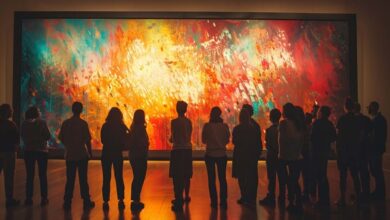
Events play a central role in transmitting cultures, identities, and social values. Art festivals, cultural conferences, and even social gatherings such as protests and political demonstrations are spaces in which identities and values are collectively expressed and interpreted. In these settings, individuals not only articulate personal experiences but also participate in a shared process of constructing new meanings of what is understood as social reality.
Social Function:
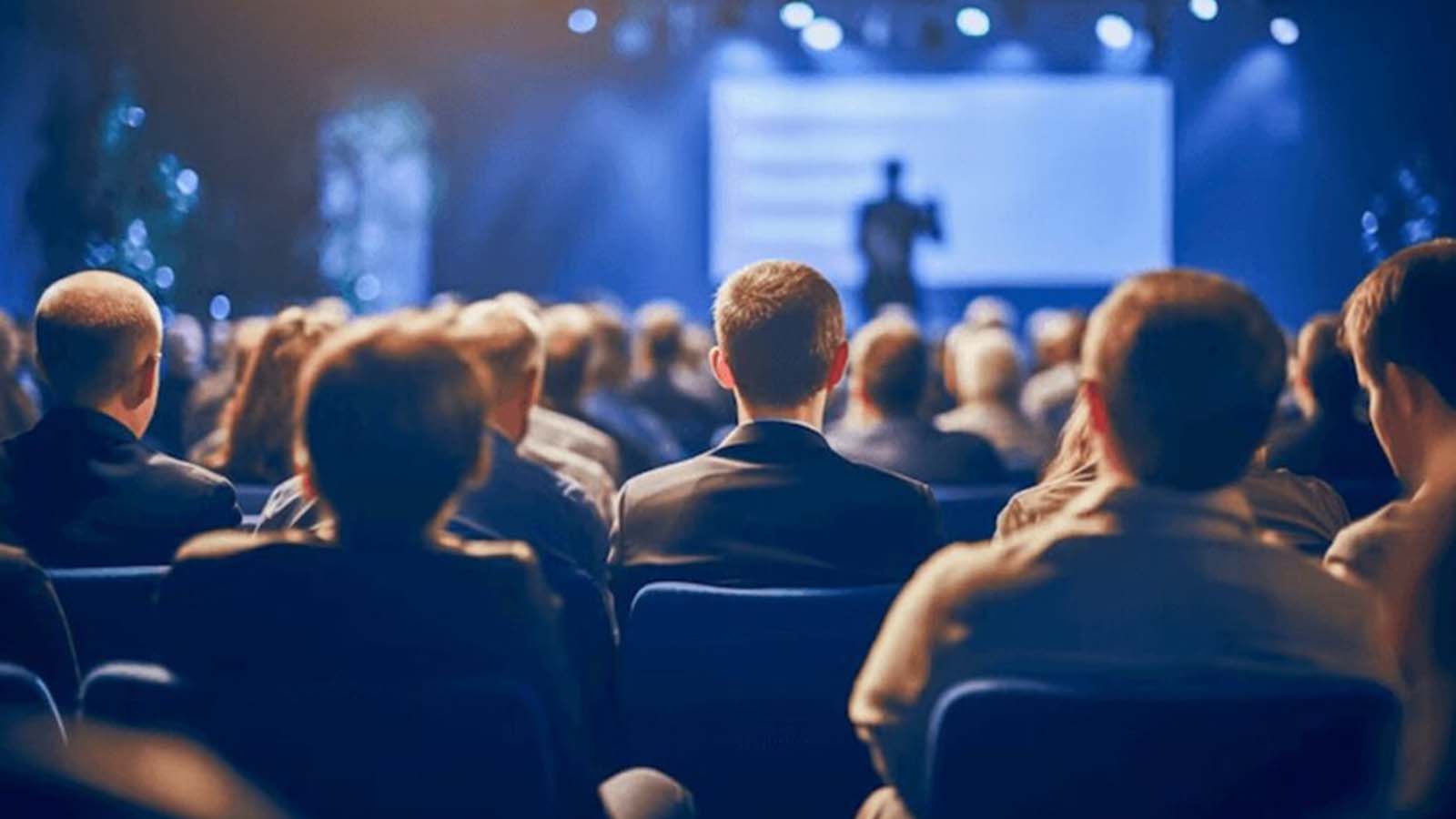
At the social level, events provide opportunities for interpersonal and group connections. They act as catalysts for forming new relationships, building social networks, and expanding social and professional collaboration. Through these interactions, participants exchange experiences, knowledge, and ideas that can improve both individual and collective conditions.
Economic Function:
Many contemporary events—especially in commercial and economic domains—serve as drivers of economic growth and development. Trade fairs, exhibitions, and business conferences enable companies and entrepreneurs to showcase achievements, sign new contracts, and establish new commercial networks.
Political Function:
Politically, events can be powerful tools for mobilizing public opinion and influencing public policy. Protests, political gatherings, and international summits are among the most significant events that directly shape political processes and social change.
Events in the Future: Challenges and Emerging Transformations
The future of events is being reshaped by rapid technological advancement and ongoing social and cultural change. Technologies such as augmented reality (AR), virtual reality (VR), and artificial intelligence (AI) are likely to transform events in profound ways. These developments will not only alter the form of events but also deepen their meaning and enhance their capacity to engage audiences.
In this context, events are expected to function increasingly as platforms for global dialogue. They will create new spaces for cultural, social, and scientific exchange on a worldwide scale. With the continued expansion of digital environments, international interaction through events—whether virtual or hybrid, combining digital and physical spaces—will become more accessible and widespread.
Conclusion
As essential elements of social life, events offer more than opportunities for gathering and information exchange; they act as catalysts for social, cultural, and political transformation. Events can influence identity structures, social relationships, and even public policy. In both the present and the future, driven by technological progress and global change, events will increasingly become multidimensional and dynamic tools, with impacts that are more visible and far-reaching at individual, social, and global levels.