Renowned international outlets, including The Hollywood Reporter and Le Figaro, have paid tribute to the death of Bahram Beyzai, the eminent Iranian writer, director, and a leading figure of the Iranian New Wave cinema. According to filmmaker Asghar Farhadi, Beyzai was his “great master.” Beyzai passed away on his 87th birthday, far from his homeland.
According to ISNA, Beyzai—a playwright, screenwriter, mythologist, and distinguished director of Iranian cinema and theater—died in the United States due to complications from cancer. He passed away on December 26, 2025, his 87th birthday.
The Hollywood Reporter highlighted Beyzai’s 1985 film Bashu, the Little Stranger, which was screened at the Venice Film Festival in 2025 and awarded the “Venice Classics” prize for Best Restored Film, reaffirming the film’s place in both Iranian and global cinema history.
Filmmaker Asghar Farhadi shared an emotional tribute, calling Beyzai his “great master” and writing:
“Bahram Beyzai, my great master, whose works, words, and above all, love for the culture of this land I have followed with all my heart, has now left this world in exile. I have never known anyone more Iranian than Bahram Beyzai, and how bitter it is that the most Iranian of Iranians should close his eyes thousands of miles away from Iran.”

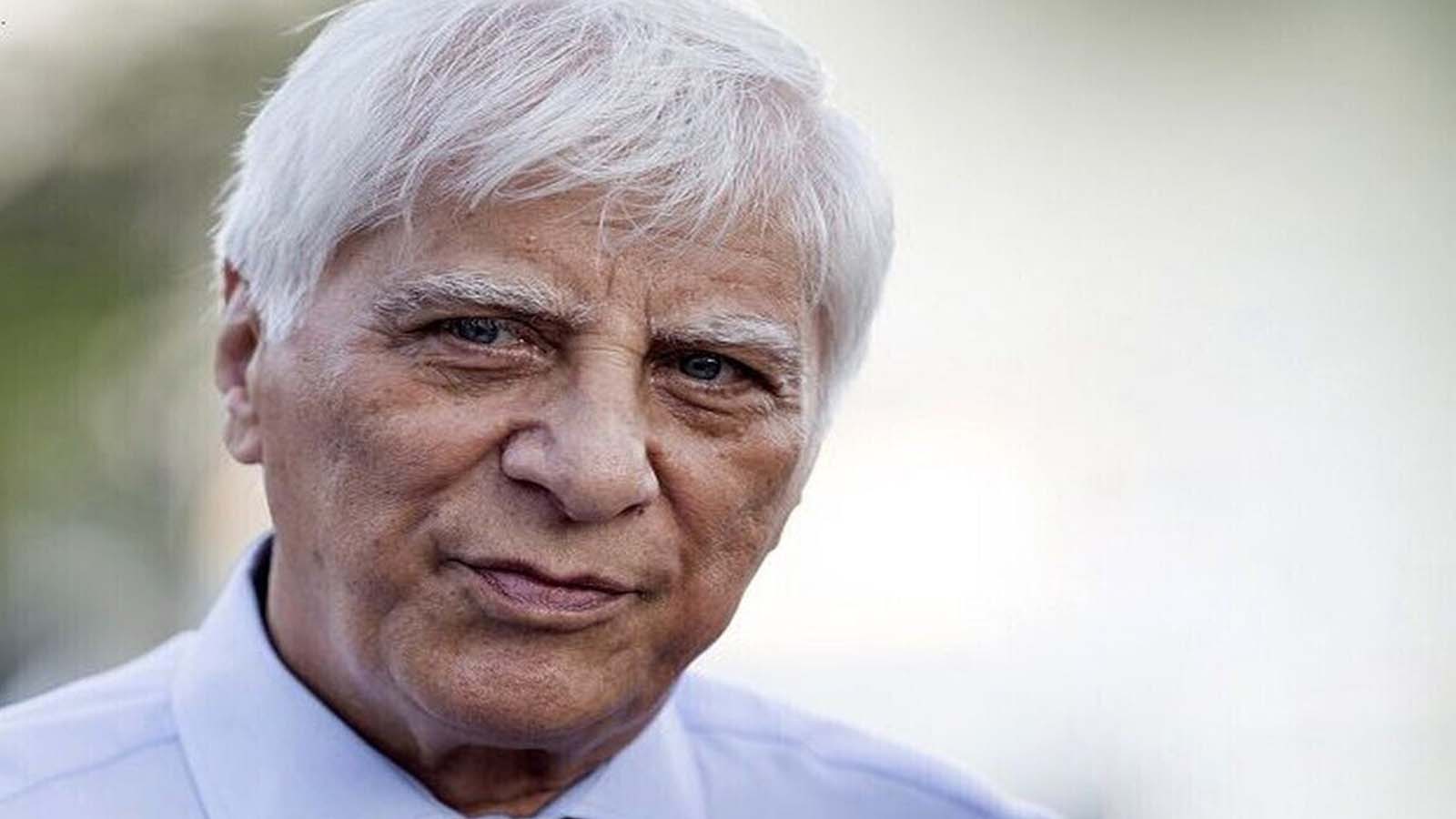
Born on December 26, 1938, in Tehran to a family steeped in poetry and literary research, Beyzai directed 10 feature films, 4 short films, and 14 stage plays throughout his career, while authoring over 70 books, essays, plays, and screenplays.
A leading figure of the Iranian New Wave, Beyzai’s internationally acclaimed works include Bashu, the Little Stranger, Ragbar (1972), and Dog-Killing (2001). His works draw deeply on mythology and the history of Iran and India, grounded in research on classical Persian literature and languages. In his theater and film projects, he revived and reconstructed traditional Iranian performance forms.
His first play, Arash, written at age 19, responded to Siavash Kasraei’s epic Arash the Archer. Beyzai also conducted extensive research on the roots of One Thousand and One Nights and its connections to other major Persian literary texts, as well as on the performance traditions of India, China, and Japan. His 1965 book, Theatre in Iran, offers a comprehensive study of Iran’s historical performance genres, including Naqqali, shadow puppetry, Ta’zieh, and Rouh-ozi.
The Hollywood Reporter also noted Beyzai’s role as a founding member of the Iranian Progressive Filmmakers’ Association, the Iranian Writers’ Association, and the Playwrights and Composers Society, and his leadership of Tehran University’s Department of Performing Arts, later leaving due to censorship of his works.
The report continued:
“In 2010, he left Iran and joined Stanford University as a lecturer in Iranian Studies, where he staged several plays and conducted workshops on Iranian mythology. Beyzai was a member of the Academy of Motion Picture Arts and Sciences and was invited in 2024 to serve on the Oscars voting committee.”
Le Figaro similarly recognized Beyzai’s prolific career:
“Throughout a long career, he directed 10 feature films, dozens of stage plays, and published numerous written works, many dedicated to Iranian theater. From the early 1970s, he became one of the central figures of the Iranian New Wave, particularly with films such as Ragbar (1971), The Stranger and the Fog (1974), and The Crow (1976). Later, he directed Bashu, the Little Stranger, telling the story of a child scarred by the Iran-Iraq War (1980–1988). He also wrote the screenplay for Rooze Vaghe’eh (1995), considered one of the most important Iranian films on the martyrdom of Imam Hussein, a central figure of Shi’a Islam.”
In response to Beyzai’s passing, Stanford University’s Iranian Studies group issued a statement:
“We announce the passing of Bahram Beyzai, a luminary of Iranian literature and art and a distinguished colleague of the past 15 years, who died on his 87th birthday, December 26. To honor his birthday and the day of playwright Akbar Radi’s passing, this date has been designated for commemoration. Our university will soon hold a session celebrating the life and works of this unparalleled Iranian artist and scholar. We are especially grateful to Mozhdeh Shamsaie, whose support and collaboration have been invaluable to Beyzai’s life and work. As the Shahnameh reminds us, in which Beyzai lived a lifetime: if death is justice, what is injustice?”