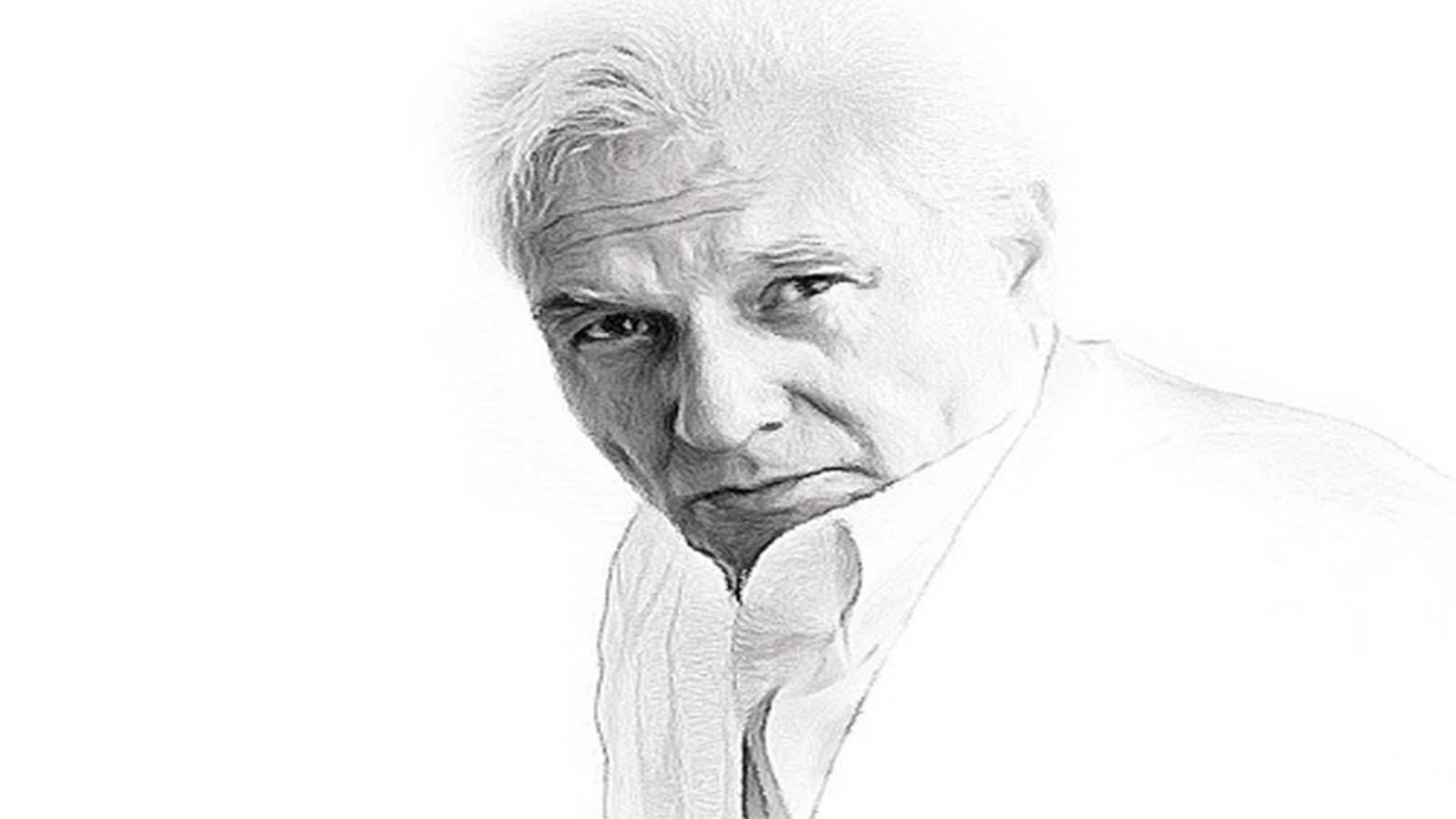
Jacques Derrida: A Philosopher at the Limits of Thought and Language
Jacques Derrida (1930–2004), the Algerian-French philosopher, stands as one of the most influential thinkers of the twentieth century and a central figure in the emergence and development of post-structuralist philosophy. Through his critique of Western philosophical traditions—particularly the metaphysics of presence—Derrida explored fundamental questions of language, meaning, and power. By formulating the approach known as deconstruction, he posed a radical challenge to long-standing philosophical and linguistic assumptions, opening up new possibilities for analysis and critique across fields such as literature, art, and politics.
Deconstruction: Undoing and Reconfiguring Meaning
Deconstruction, best understood as a philosophical approach rather than a fixed method, seeks to unravel textual and conceptual structures in order to reveal their internal contradictions, discontinuities, and latent possibilities. Contrary to common misunderstandings, deconstruction is not a project of mere destruction; it is a process of rethinking and reconfiguring meaning—one that moves beyond entrenched assumptions and established limits.

The concept first emerged in Derrida’s early works, most notably Of Grammatology (1967). In this book, Derrida critiques Western philosophy for being grounded in what he calls the metaphysics of presence. He examines how meaning is stabilized through binary oppositions such as speech/writing, reason/emotion, and presence/absence. Derrida argues that these oppositions are not neutral but hierarchical, privileging one term over the other. Deconstruction aims to expose and unsettle these hierarchies, offering a way to rethink the conceptual and linguistic structures that shape thought.
Key Features of Deconstruction
- Focus on Text and Language: Deconstruction emphasizes that meaning is never definitively fixed within a text; language is always in motion and subject to change.
- Critique of Binary Oppositions: Rather than accepting traditional dichotomies, deconstruction reexamines them and reveals the mutual dependence of each term on its counterpart.
- Play of Meaning: Derrida uses the notion of “play” to highlight the instability of meaning, showing that no meaning is ever fully self-contained.
- Absence and Deferral (Différance): A central concept in Derrida’s thought, différance points to both difference and deferral in the production of meaning, indicating that meaning is never fully present but always postponed.
Deconstruction in the Critique and Analysis of Art and Philosophy
Deconstruction has played a major role in reshaping critical and analytical practices in philosophy, literature, and the arts. It provides a powerful conceptual framework for examining texts and artworks, especially where issues of meaning, identity, and power are at stake.
- In Literature and Textual Criticism: Deconstruction enables fresh readings of both classical and contemporary texts by focusing on hidden layers and internal tensions. Critics such as Paul de Man and Harold Bloom employed this approach to rethink literary theory.
- In Visual Arts: Deconstruction helps analyze how visual elements and conceptual contradictions operate within artworks, particularly in conceptual and postmodern art.
- In Philosophy: As a tool for rethinking concepts such as truth, identity, and ethics, deconstruction has inspired philosophers like Guy Debord and Jean-Luc Nancy.
The Role of Deconstruction in the Evolution of Philosophy and Art
- Revisiting Traditional Concepts: Deconstruction has made it possible to rethink notions such as truth, beauty, and identity.
- Challenging Grand Narratives: By questioning overarching metaphysical narratives, it has contributed to the rise of postmodern and critical philosophies.
- Creating Creative Space in Art: Deconstruction has encouraged artists to explore new boundaries of form and meaning, particularly in conceptual art, postmodern architecture, and experimental cinema.
- Strengthening Critical Thinking: By foregrounding complexity and layered meanings, deconstruction offers tools for critical engagement with social and cultural issues.
Jacques Derrida and deconstruction profoundly transformed not only philosophy and literary criticism but also contemporary art. By emphasizing the fluidity of meaning and challenging fixed structures, deconstruction enables artists and philosophers alike to move beyond linguistic and conceptual constraints and to open new horizons of thought and creativity. Today, it remains one of the most influential approaches for rethinking foundational concepts and reimagining them within the complexities of the modern world.